
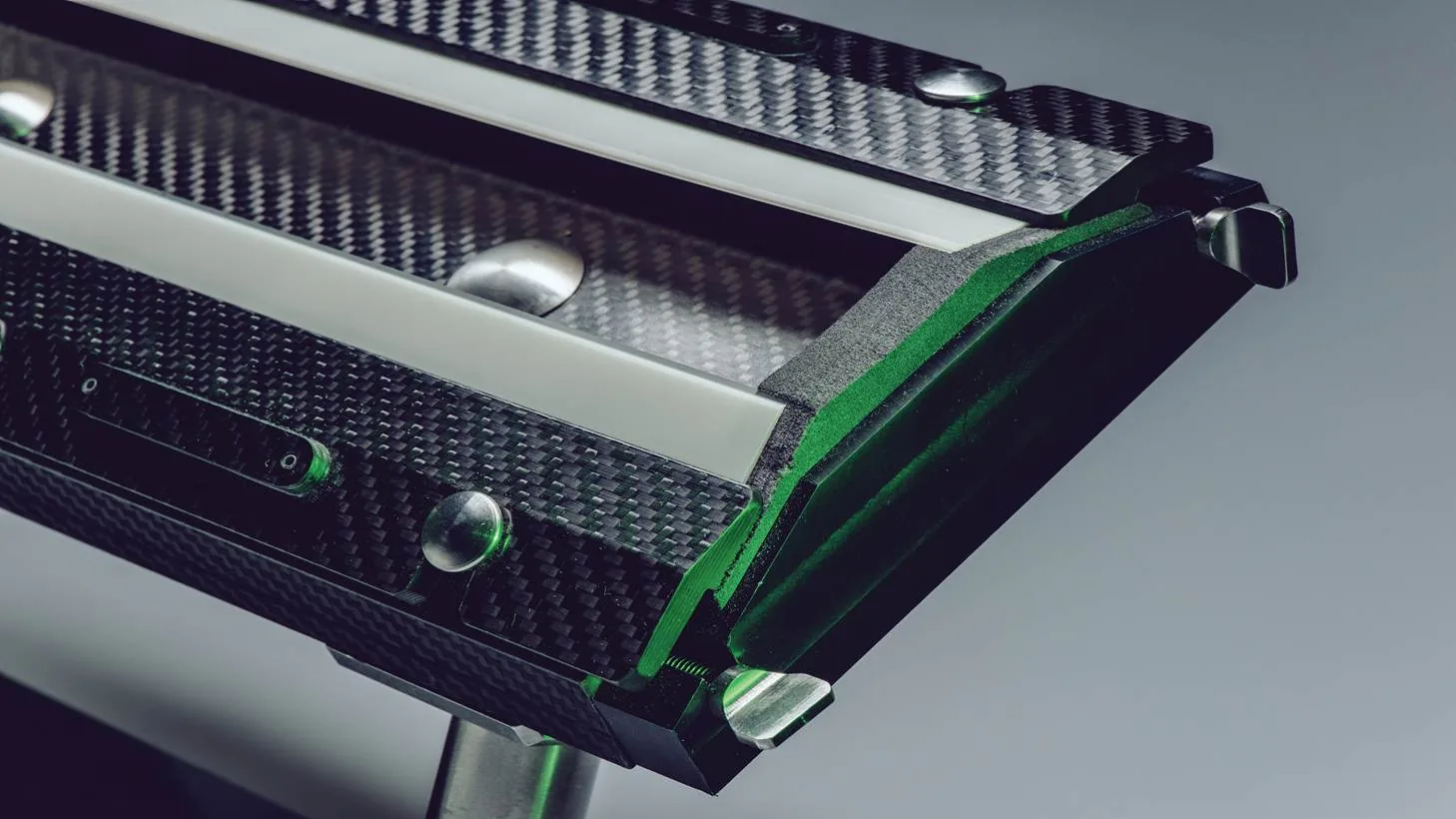
Polymer blades
When the job calls for a softer wipe, unbeveled polymer is often the right call. A common example we’ve furnished is a .014" × 1.5" blade on a long roll. Tell us the thickness, width, and length you need.
In a flexo chamber, the doctor blade wipes the anilox so only the ink in the cells reaches the plate. In gravure, it wipes the cylinder so ink stays in the cells and off the land. Either way, you need a consistent edge, a material that matches the ink and the roll, and a fit that won’t chatter or score.
We can quote polymer (including Mylar-style unbeveled blades), high-carbon steel, gold-tipped, hybrid, long-life, and radius-edge blades, in rolls or cut to length. Send the thickness, width, length or roll length, and edge profile you run today — or a sample — and we’ll quote to that specification.
When the job calls for a softer wipe, unbeveled polymer is often the right call. A common example we’ve furnished is a .014" × 1.5" blade on a long roll. Tell us the thickness, width, and length you need.
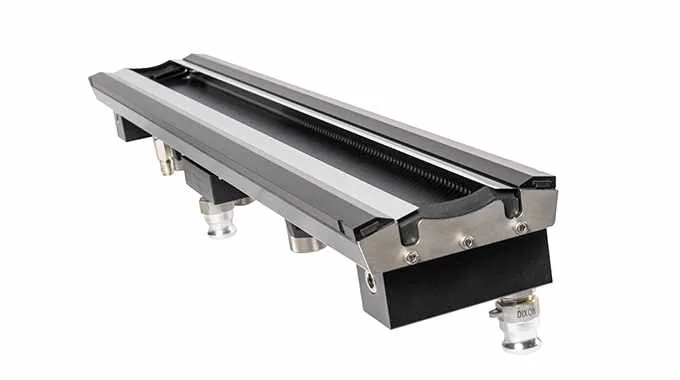
High-carbon steel — including long-life options — is a frequent choice when abrasive inks and coatings are forcing mid-run blade changes. Radius and beveled edges are quoted to the profile you specify.
We can ship precut lengths for the chamber you’re running, or material on a roll for the shop to cut. Include the number of decks and how often you change blades so we can size the order.
Absolutely. Send the thickness, width, length, and edge — or a part number and a sample — and we’ll quote to that specification.
Both. Tell us whether the blade is working an anilox in a chamber or doctoring a gravure cylinder so we quote the right style.
Store blades flat or in the packaging they arrived in, so the edge isn’t rolled or nicked. Load them the way the chamber is designed — a reversed or cocked blade will score. And change them on a schedule, not only after the print goes off.
Share the plant, the sizes, and what you’re running. Our customer service team will follow up.