
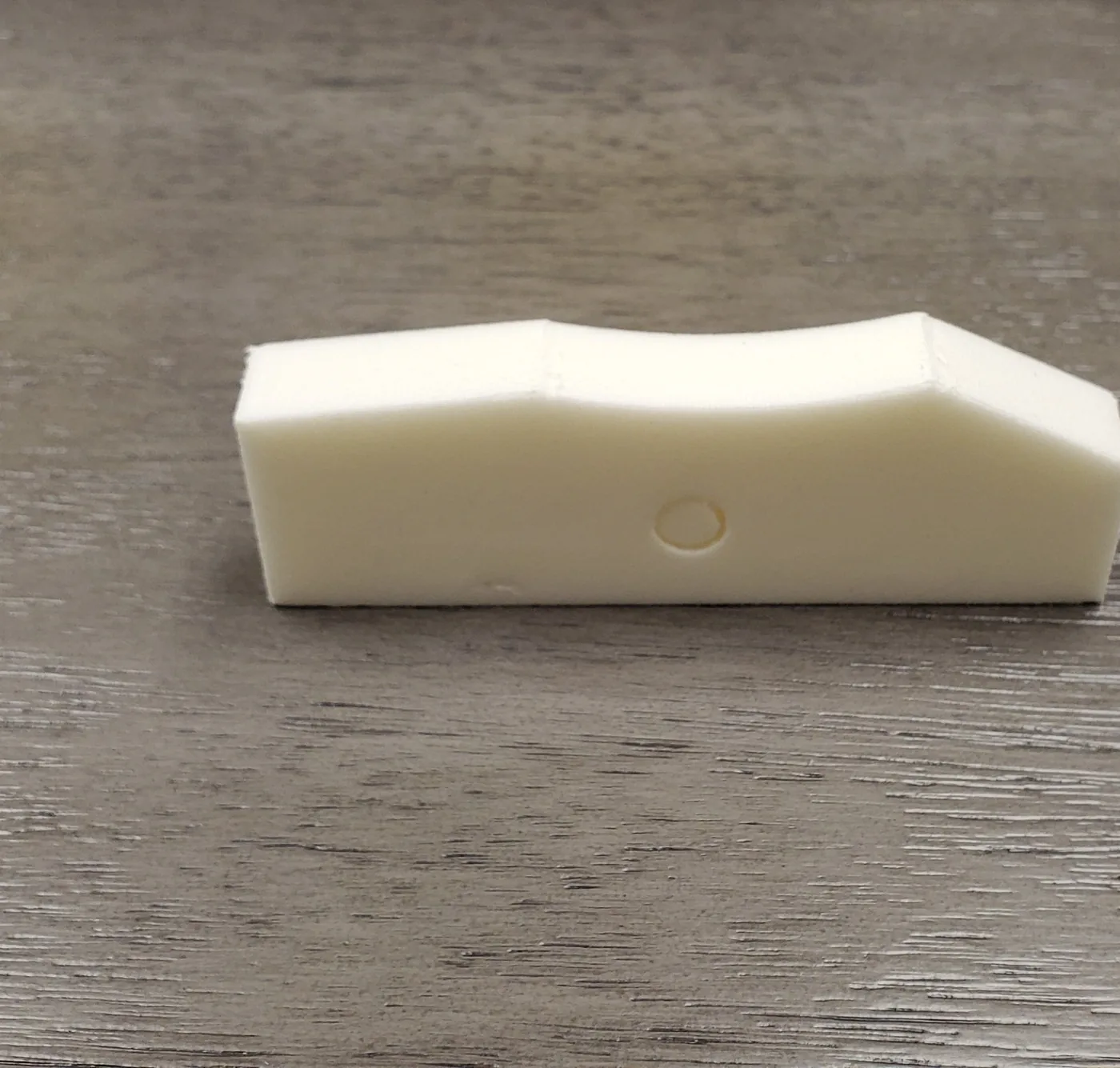
Chamber end seals
Quoted to the chamber style and the dimensions you provide. Foam, felt, and other constructions are sourced to the duty — solvent, water, or UV — and to how the chamber is designed.
A leaking chamber wastes ink, soaks the deck, and tempts the crew to tighten the blade until the anilox pays for it. The seal has to fit the chamber, not the other way around.
End seals close the ends of an enclosed doctor-blade chamber so ink stays put and the blade can wipe cleanly. When a seal is the wrong size, the wrong material, or simply worn out, ink weeps at the ends. Crews often add blade pressure to hide it, which scores the anilox and still doesn’t stop the leak.
We quote seals to the chamber and the ink you’re running. If you have a part number or a used seal, send it along with the press and deck.
Most of the seals we quote are for flexo chambers, though the same conversation matters on a gravure deck when a seal or gasket is part of the ink delivery. Tell us what you have.
Quoted to the chamber style and the dimensions you provide. Foam, felt, and other constructions are sourced to the duty — solvent, water, or UV — and to how the chamber is designed.
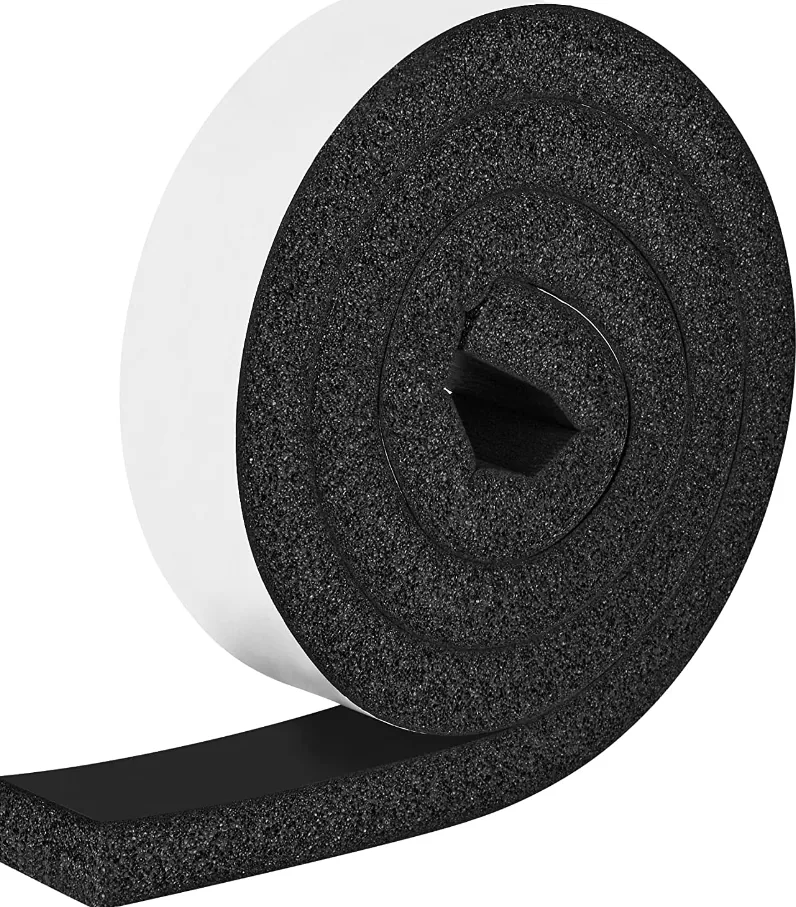
If the chamber uses an end-block gasket, we’ll quote that too. Send a sample or the part number, plus the quantity you typically keep on the shelf.
A seal quote should travel with the blade setup. If you’re changing blade thickness or holder style, say so — the seal often has to change with it.
Usually, yes. Send the number, the press, and the ink type. If the number is unfamiliar, a sample or a dimensioned photo will close the gap.
Yes. If you already standardize on a series, send it and we’ll quote that series or a fit-for-purpose alternative.
Keep spare seals clean and uncompressed in their packaging. A seal stored under a toolbox will not come back to size. Replace seals with the blade on a planned interval, especially in aggressive inks.
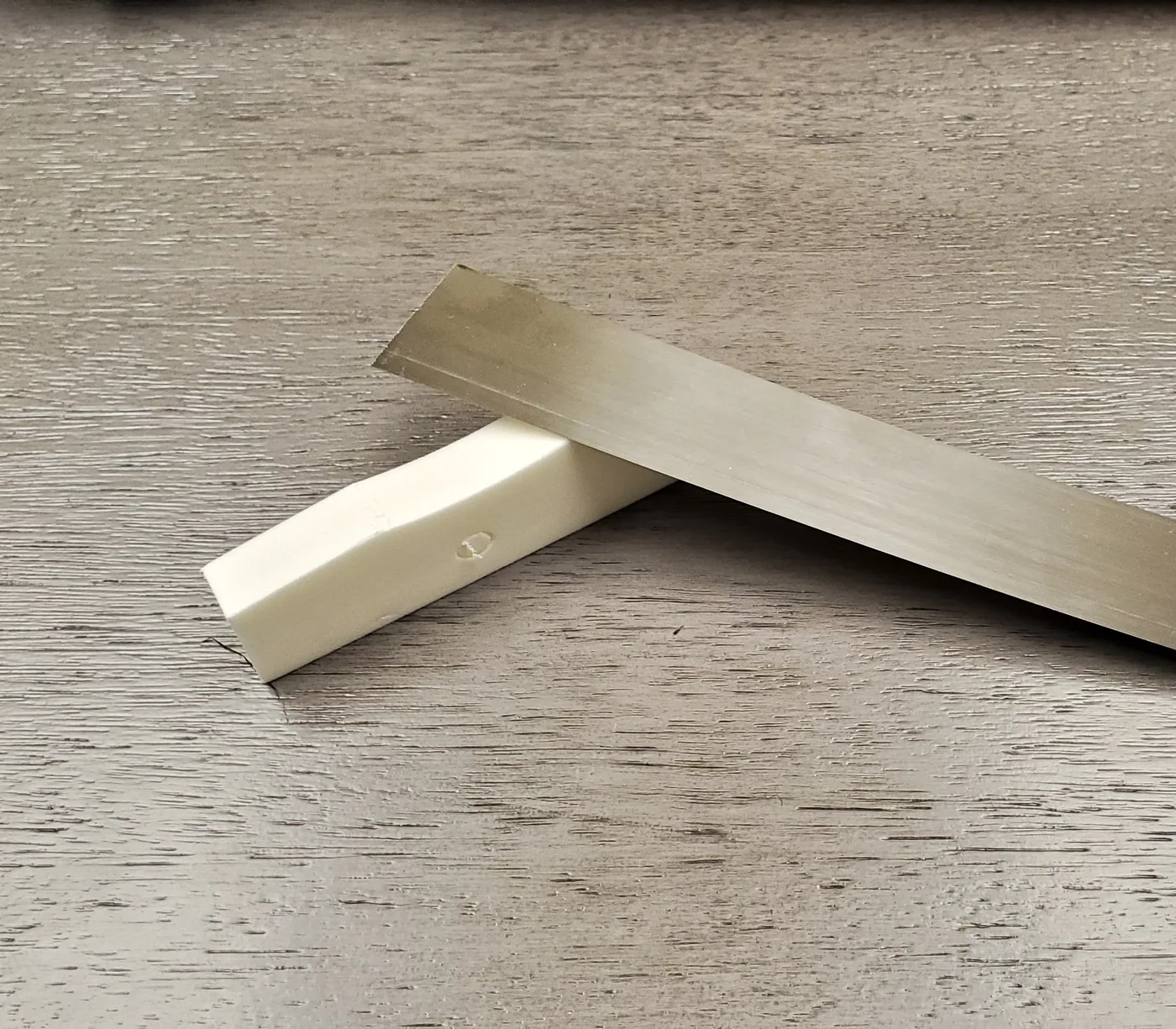
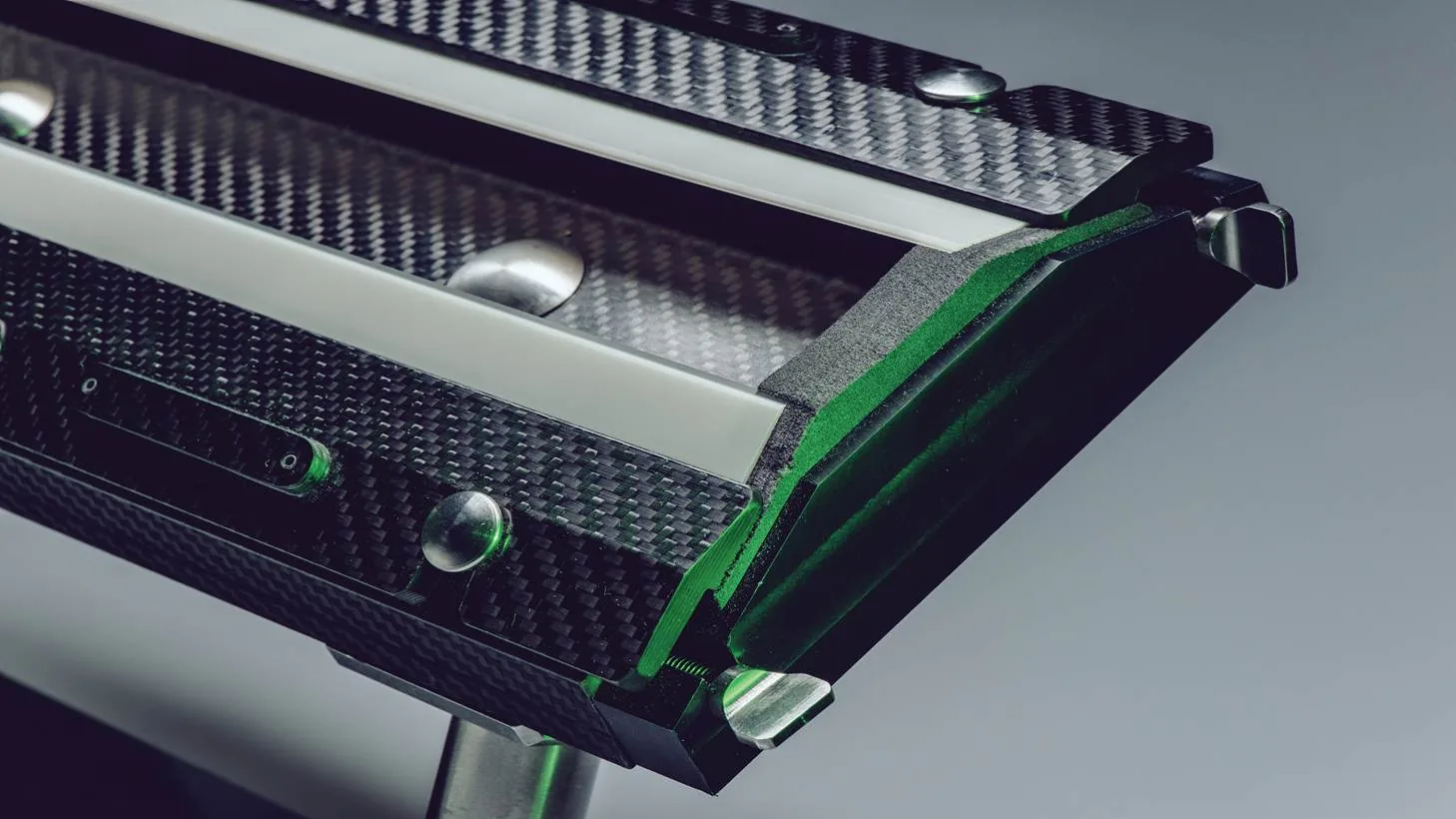
Share the plant, the sizes, and what you’re running. Our customer service team will follow up.