Floodcoat sleeves
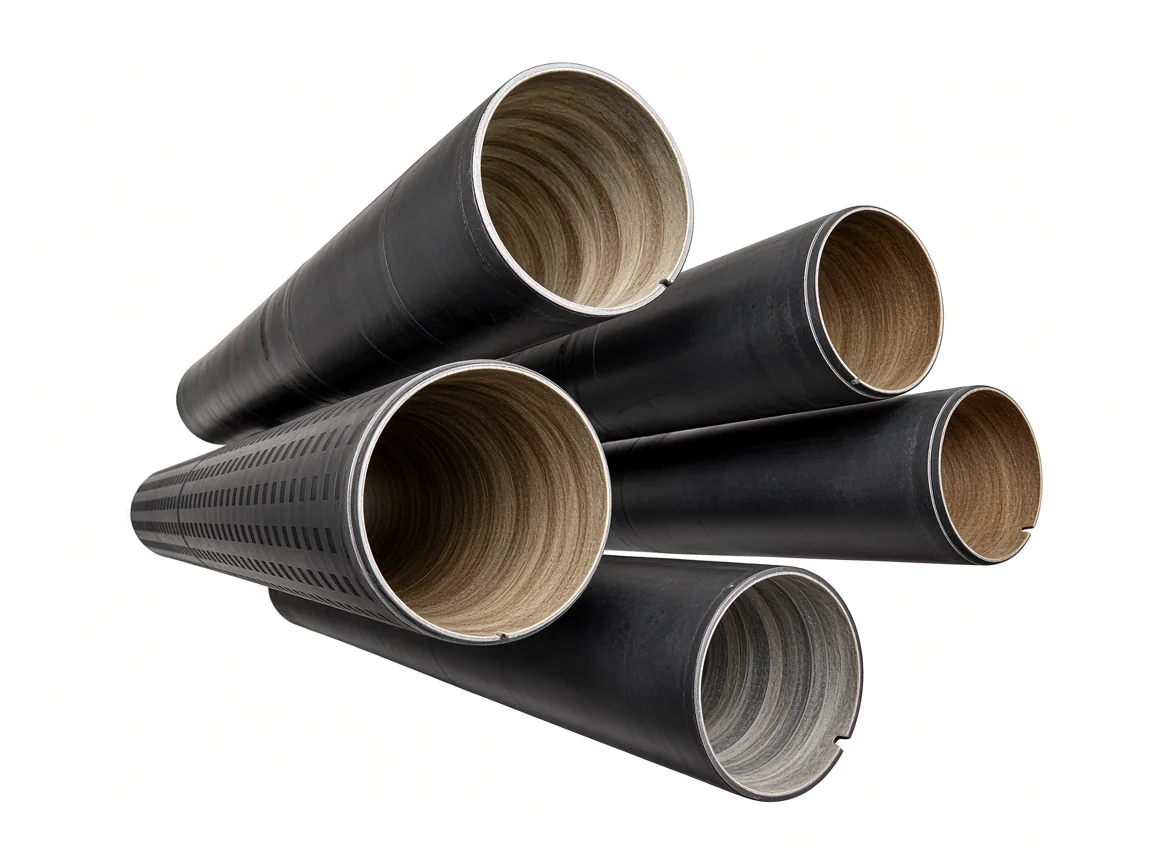
Plain and engraved or screened flood coat sleeves, specified by size, wall, print width, and notches.
When the work belongs on an elastomer sleeve instead of a mounted plate — a flood coat, a repeating pattern, or an in-the-round build — the sleeve is the plate.
In-the-round (ITR) and floodcoat sleeves are elastomer sleeves you print with directly — no photopolymer plate, and no mounting tape in the usual sense. That can be the right path for flood coats, repeating patterns, and work where plate-mounting time, extra plate sets, and changeover waste add up.
Through our partnership with Carey Graphics, we quote flood coat sleeves, engraved or screened flood coats, and imaged or pattern sleeves. Specifications typically include size, print width, wall (including constructions with a base and a raised print area), and notches. Stepped constructions are quoted when the job needs them. Imaged work is quoted with the artwork (including 1-bit TIFF), as process or line, with print width, wall, OD, and notch treatment.
Sleeve recovery is part of the same conversation: a kiss grind for minor blemishes, a grind-down and resurface, or a new sleeve. Carey recommends from the sleeve in hand — an engraved flood coat may not recover the same way as a plain sleeve. Material can be specified to a customer standard when you have one.
Plain and engraved or screened flood coat sleeves, specified by size, wall, print width, and notches.
Imaged sleeves quoted from your artwork, as process or line, with the geometry and notch treatment the press requires.
Kiss grind, grind-down and resurface, or replace — from a recommendation on the sleeve in hand.
No. It’s a strong fit for flood coats, repeating patterns, and selected imaged work. We’ll help you look at the job, not force every deck onto elastomer.
Sometimes. A kiss grind may be enough for a minor blemish; an engraved flood coat may not recover the same way as a plain sleeve.
Handle ITR and floodcoat sleeves as tooling. Protect the face in storage, and talk to us before you try to grind or clean an engraved face with a method meant for a plate.
ITR, floodcoat, imaged, and recovery work come through our partnership with Carey Graphics. When you weigh plate-mounting time, extra plate sets, substrate loss, and press speed, Carey’s published position is that printing with their elastomer sleeves can be the more economical path. We’ll help you look at that for your work.
Share the plant, the sizes, and what you’re running. Our customer service team will follow up.