
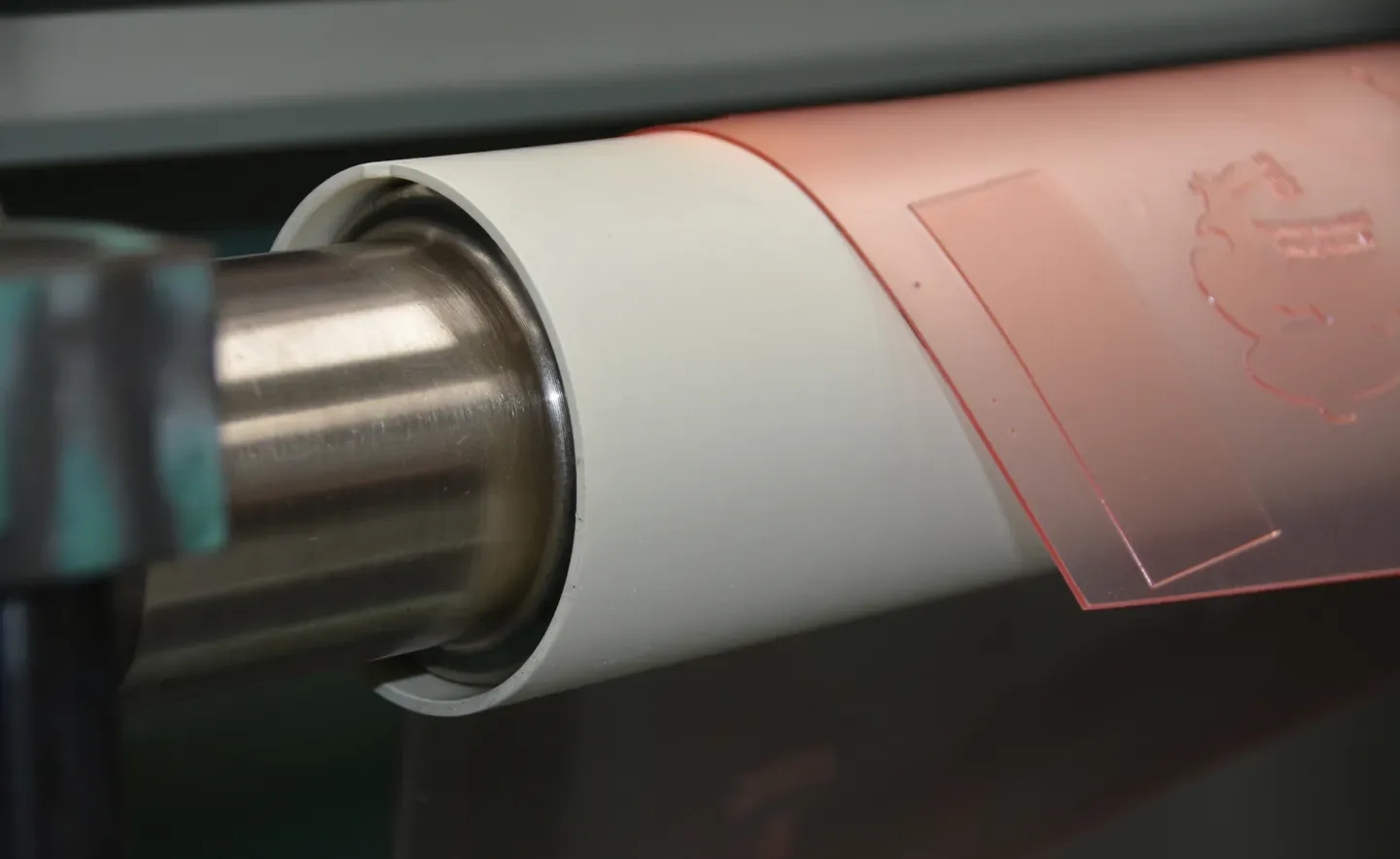
Mandrels
The press shaft, quoted when a mandrel must be replaced or when a new deck or a change in tooling standard requires one. These stay in the press and should be specified carefully; you won’t swap them every job.
A mandrel is the shaft itself. In most flexo presses it is an air mandrel (or a mechanical shaft) housed in the deck — part of the press, and rarely removed or replaced. Plate sleeves, or bridges, mount onto that mandrel. When you specify one, you’re usually talking about the shaft’s diameter, face length, air system, and the tooling standard the press was built to, such as a given BCD for a stated repeat on a thin sleeve.
A bridge — sometimes called a bridge sleeve or adapter sleeve — is not a shaft. It’s a relatively thick-walled sleeve that mounts on the mandrel and presents a larger outside diameter, so a thinner plate sleeve can ride on top. That’s how a plant covers a larger repeat, or a range of repeats, without buying an oversized, heavy plate sleeve for every jump in circumference. One common mandrel, a set of bridges, and a library of thin plate sleeves is a typical, economical way to run multiple repeats on the same deck.
We quote bridges and mandrels to the geometry you need: inside and outside diameter, face length, BCD, notches, and the sleeve system they have to work with.
The press shaft, quoted when a mandrel must be replaced or when a new deck or a change in tooling standard requires one. These stay in the press and should be specified carefully; you won’t swap them every job.
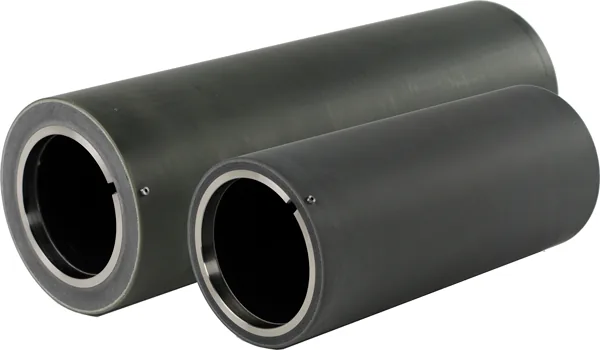
Adapters that step a smaller mandrel up to a larger diameter so a thinner plate sleeve can run a larger repeat. Specify the mandrel it must fit, the target BCD or repeat, face length, and notch treatment.
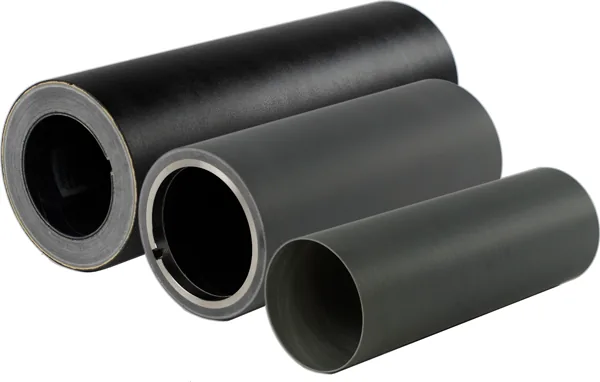
If you’re building a sleeve library, we’ll help you think in terms of one mandrel standard, the bridges that cover your repeats, and the thin sleeves that ride those bridges.
It’s a thick-walled adapter, but its job is different from a plate sleeve. The plate mounts to the plate sleeve; the plate sleeve mounts to the bridge; the bridge mounts to the mandrel.
Rarely — they’re press tooling. We quote them when a shaft is damaged or worn, or when you’re changing the tooling standard on a deck.
Yes — that’s the point of a bridge set. The mandrel stays, the bridge changes with the repeat, and a thinner plate sleeve rides the bridge.
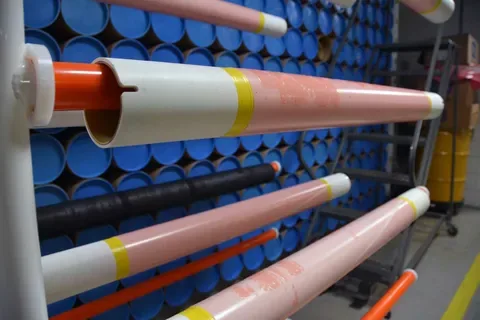
Treat bridges like tooling, not like a disposable sleeve. Store them on a rack that supports the face, keep the ID clean, and inspect the notches and mounting surface before you put a plate sleeve on.
Share the plant, the sizes, and what you’re running. Our customer service team will follow up.